

Similiar games




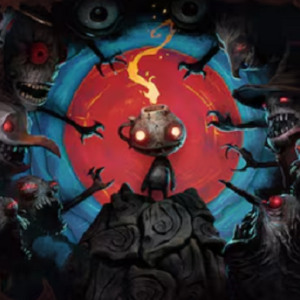

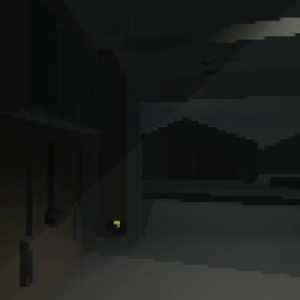


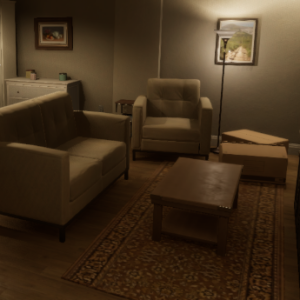
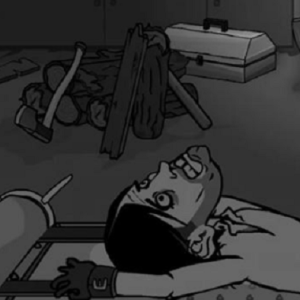
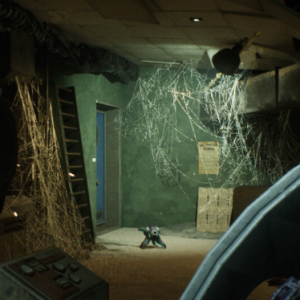
Dark Pals: The 1st Floor is a single-player horror game structured around exploration, puzzle solving, and survival within a confined environment. The game places the player inside an abandoned mental health facility designed for children, where progression depends on navigating interconnected rooms and corridors. Instead of relying on combat mechanics, the experience focuses on movement decisions, environmental interaction, and situational awareness. The setting functions as both a navigational challenge and a source of narrative context, gradually revealing information through spatial design and interactive elements.
Gameplay Structure and Player Objectives
The primary gameplay loop is centered on investigating the facility while completing logic-based puzzles. Players move through restricted spaces where access to new sections is controlled by puzzle outcomes. Environmental obstacles vary in form, requiring observation, experimentation, and route planning. A core mechanic involves the use of a specialized tool known as the Ink Blaster, which allows players to manipulate certain objects and activate mechanisms tied to level progression. This system integrates puzzle solving directly into navigation rather than separating it into isolated sequences.
Puzzle interactions typically involve multiple components, including switches, doors, and environmental triggers. Successful progression requires understanding spatial relationships between these elements. The absence of direct combat reinforces reliance on positioning and timing, particularly when threats are present.
Key gameplay elements include:
- Exploration across interconnected interior spaces
- Puzzle-solving sequences tied to environmental mechanisms
- Ink Blaster interactions affecting level navigation
- Restricted zones requiring objective completion
- Exit pathways unlocked through puzzle resolution
Environmental Design and Navigation Constraints
The facility layout emphasizes confined movement and directional decision-making. Corridors, rooms, and transitional spaces create structured navigation challenges where visibility and spatial orientation influence player behavior. Certain areas introduce movement limitations or visual barriers, requiring players to adjust routes or revisit previously explored sections. This structure promotes systematic exploration rather than linear progression.
Hostile Entities and Survival Mechanics
Players encounter hostile mascot-like entities that function as persistent hazards. These threats follow defined behavioral patterns, requiring players to interpret movement logic and adapt positioning strategies. Survival mechanics are built around avoidance rather than confrontation. Encounters increase tension by forcing players to balance puzzle completion with threat management, particularly when objectives require revisiting active zones.
Narrative Delivery Through Gameplay Systems
Narrative elements are conveyed indirectly through environmental cues, spatial arrangement, and interactive sequences. Rather than presenting explicit story segments, the game integrates contextual information into exploration and puzzle resolution. Visual details, audio signals, and level transitions collectively contribute to understanding the facility’s background. This design approach connects gameplay systems with narrative discovery, encouraging players to interpret meaning through observation and progression decisions.
