

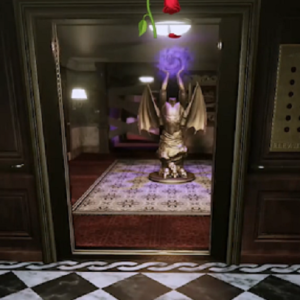
Similiar games
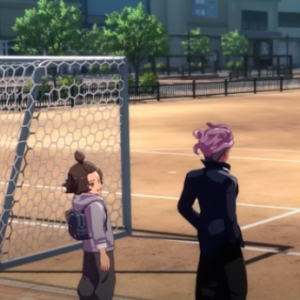
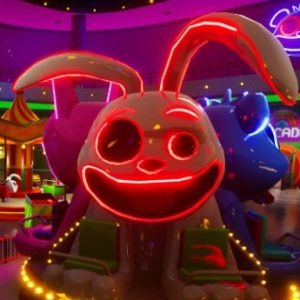
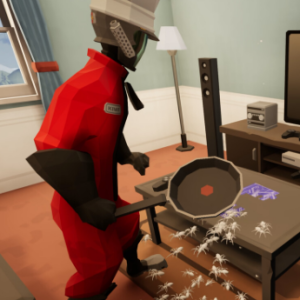
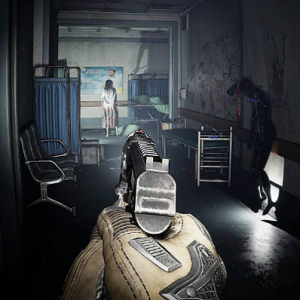


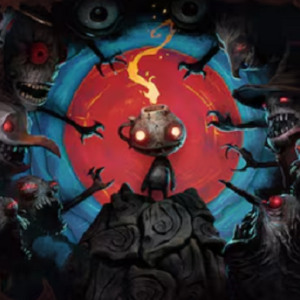
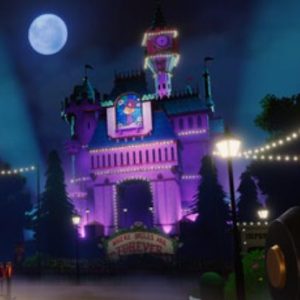

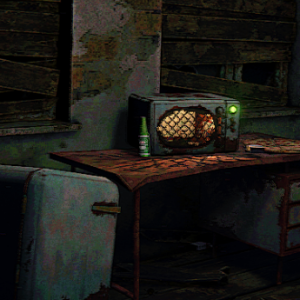

Dark Deception Hunted is a Roblox multiplayer adaptation derived from the Dark Deception franchise. The game restructures the familiar maze-navigation and shard-collection mechanics into short, repeatable sessions designed for platform-based play. Instead of following a linear narrative progression, the experience is organized around self-contained runs where players enter levels, pursue objectives, and restart attempts. This session-oriented structure supports both solo engagement and cooperative play without requiring long-term story advancement.
Gameplay Structure and Objectives
Each match places players inside maze-focused environments that prioritize navigation efficiency and threat management. The primary objective involves collecting soul shards distributed across interconnected map layouts. Levels typically combine narrow corridors, intersections, and open areas that influence movement decisions and enemy encounters. Players must maintain spatial awareness, adapt routes dynamically, and manage pursuit patterns generated by hostile entities. Completion conditions are met once shard requirements are fulfilled and an exit portal is reached.
Difficulty settings play a central role in shaping gameplay behavior. Higher difficulties modify enemy speed, detection mechanics, and survival constraints, directly affecting pacing and decision-making. Additional variability is introduced through curses — modifiers that alter match conditions. These adjustments may restrict visibility, disable navigation aids, or impose mechanical limitations, creating distinct run scenarios even within familiar maps.
Player Interaction and Match Dynamics
Dark Deception Hunted supports both solo sessions and cooperative multiplayer runs. In cooperative modes, participants share objectives while maintaining independent survival states. This structure encourages coordination without enforcing strict dependencies. Individual errors affect personal progress rather than immediately terminating the session for the entire group. As player count increases, positioning, movement timing, and environmental awareness become more critical.
Core gameplay systems include:
- Soul shard collection across maze environments
- Difficulty settings affecting enemy behavior
- Curses modifying match conditions
- Life systems influencing run completion
- Exit portals tied to objective fulfillment
Progression and Replay Loop
Progression mechanisms emphasize performance tracking rather than narrative advancement. Players receive rewards through completed runs, survival outcomes, and achievement milestones. Because matches are structured for repetition, improvement depends on map familiarity, recognition of enemy movement logic, and optimization of navigation paths. The replay loop is defined by iterative attempts, where accumulated knowledge replaces traditional story-driven progression structures.
