

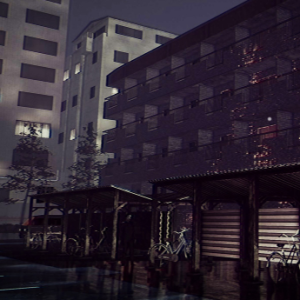
Similiar games
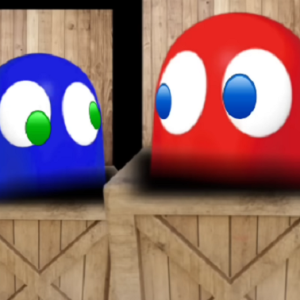
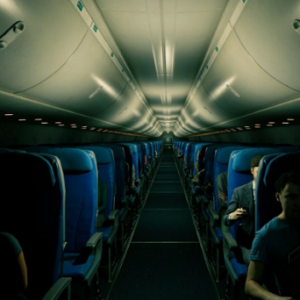
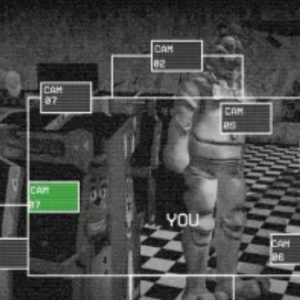
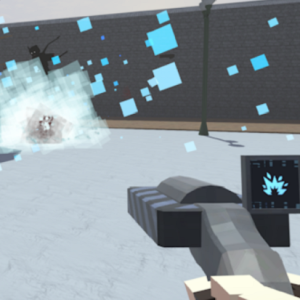
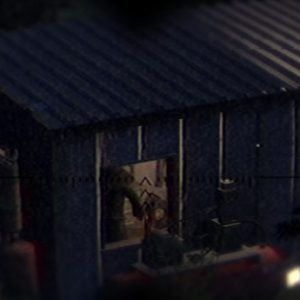
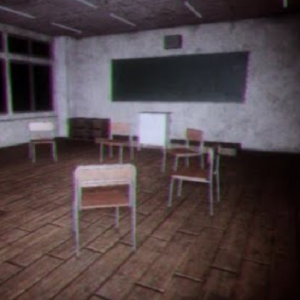
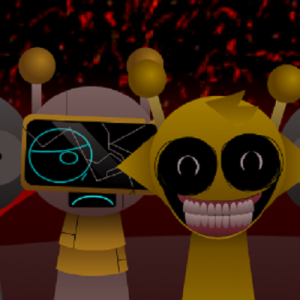



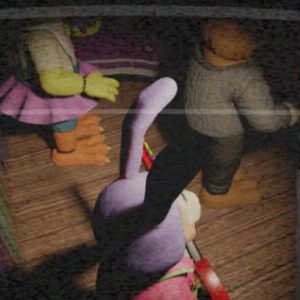
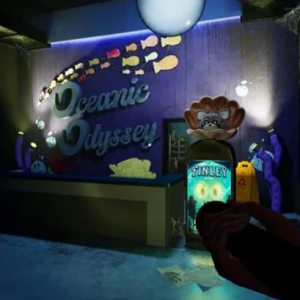
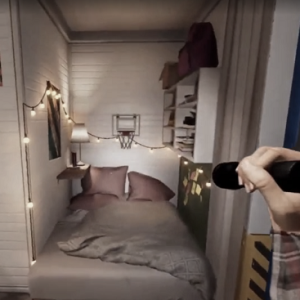

Chilla’s Art 2 refers to a continuation-style experience based on the design approach of the Japanese indie studio known for short psychological horror games. The game follows a first-person perspective, placing the player in a realistic everyday setting that gradually becomes unstable. The structure focuses on routine activities that shift over time, revealing hidden events and narrative elements. The gameplay is built around exploration, interaction, and environmental observation rather than action mechanics.
Gameplay And Interaction Model
The gameplay relies on simple controls and linear progression through small locations. Players move through environments, interact with objects, and trigger scripted events. Dialogue is minimal, and most of the storytelling is conveyed through surroundings and subtle changes.
The interaction model emphasizes attention to detail. Small differences in objects, lighting, or sound can indicate progression. There are no complex systems, making the experience accessible while still requiring careful observation.
Environment And Scenario Design
The setting is typically grounded in everyday locations such as apartments, workplaces, or public spaces. These areas are presented in a realistic manner, which contrasts with the unusual events that occur later.
- Realistic environments based on daily life
- Linear exploration with limited areas
- Event triggers connected to player movement
- Gradual changes in lighting and sound
- Minimal interface to maintain immersion
Narrative Structure And Themes
The narrative develops indirectly. Instead of explicit explanations, the game uses environmental storytelling, notes, and character behavior to suggest events. Players are expected to interpret the story based on clues found during exploration.
Themes often include isolation, routine disruption, and psychological stress. The structure leaves room for interpretation, allowing different players to reach different conclusions about the events.
Visual Style And Audio
The visual presentation uses a VHS-inspired filter that simulates analog video effects. This includes noise, distortion, and color shifts that affect how the environment is perceived. The style is consistent with other titles from the developer and supports the overall tone.
Audio design plays a functional role. Ambient sounds, footsteps, and sudden changes in noise levels are used to signal important moments. There is limited use of music, keeping focus on environmental sound cues.
Replayability And Experience
Replayability is based on discovering alternative events and hidden details. While the main path is linear, different interactions may reveal additional scenes or interpretations.
The overall experience is short but structured to encourage replay. Players can revisit the same environment to better understand the sequence of events and uncover missed elements without changes to core mechanics.
