

No Sound Games
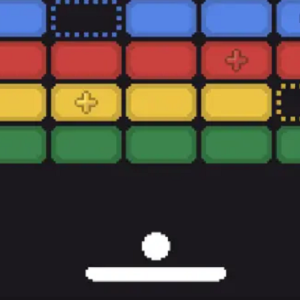
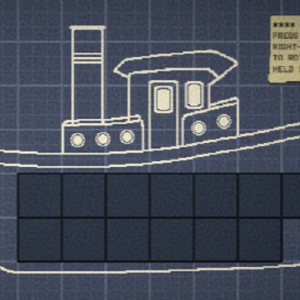
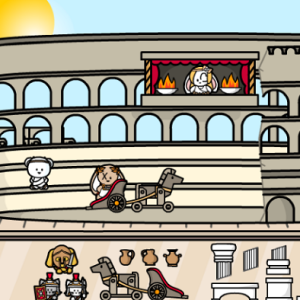










No Sound Games is a category for players who prefer silent interaction or need to play without audio feedback. These games are designed to communicate information visually through symbols, color, or movement instead of relying on sound cues. Their simplicity makes them suitable for public spaces, classrooms, or quiet environments where headphones are not available. The gameplay experience depends entirely on timing, reflex, and observation rather than audio assistance.
Core Principles Of Design
Games in this category rely on clear visual indicators to replace sound effects. Animations, flashes, and motion speed signal events that would normally be marked by sound. This approach allows players to follow progress, understand feedback, and react accurately. Developers focus on intuitive interfaces where every element communicates function through sight alone. The challenge lies in balancing clarity with gameplay speed, ensuring that missing audio does not affect understanding.
Common Types Of No Sound Games
Most silent games fall into familiar genres such as puzzle solving, timing-based reaction tests, or movement challenges. These designs require minimal instruction and rely on visual rhythm. Many are structured for short sessions or repeat play rather than extended campaigns. Each title typically emphasizes direct control and consistent feedback through motion or on-screen symbols.
Key characteristics of no sound games include:
- Visual cues replacing audio feedback
- Smooth pacing and readable motion patterns
- Simple input methods with instant responses
- Levels structured around timing or observation
- Clear progression shown through graphics alone
Accessibility And Adaptation
The no sound approach benefits those in quiet settings and players with hearing impairments. Visual communication ensures that all users receive identical feedback regardless of listening ability. This form of design encourages broader accessibility and awareness in interactive development. Many creators now include an optional silent mode or full subtitle integration to match this standard.
Replayability And Purpose
No Sound Games highlight how core mechanics can remain engaging without extra effects. The emphasis on sight and movement keeps attention on pure interaction rather than atmosphere. These games remind players that sound is a complement, not a requirement, for immersion. The format continues to grow as more developers design experiences that depend on visual clarity and precision instead of external audio signals.
