

FNAF Games










- 1
- 2
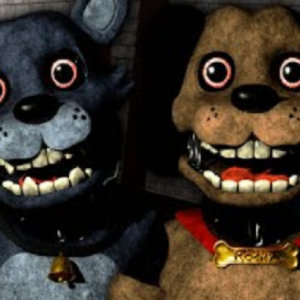
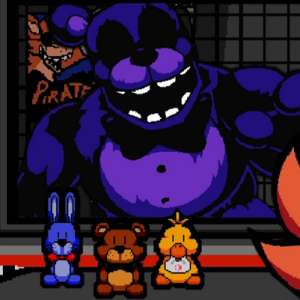
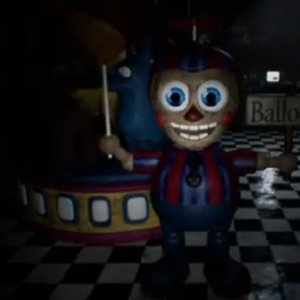
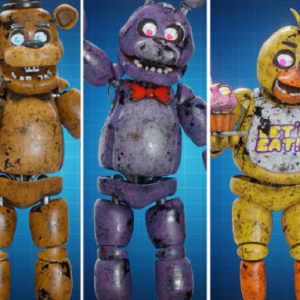
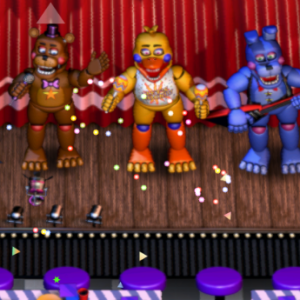
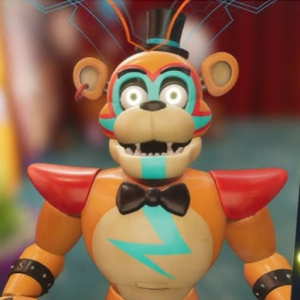
FNAF Games represent a category of horror-oriented titles derived from the Five Nights At Freddy’s franchise created by Scott Cawthon. The classification includes mainline releases, spin-offs, fan-made projects, and genre adaptations inspired by the original mechanics. FNAF Games are typically defined by survival-based gameplay structures, tension-driven pacing, and threat monitoring systems. While individual titles vary in mechanics and presentation, they commonly share design principles associated with limited visibility, resource management, and time-based survival scenarios.
Core Gameplay Structure
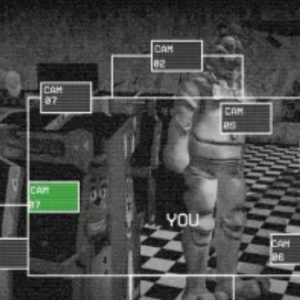
Many FNAF Games rely on a framework centered on observation, reaction timing, and defensive decision-making. Players are frequently placed in controlled environments where threats must be monitored through cameras, audio systems, or visual indicators. Progression is often tied to surviving defined time periods rather than completing conventional objectives. Mechanics commonly involve managing limited resources such as power, movement restrictions, or defensive tools. This structure shifts engagement toward situational awareness and pattern recognition.
The gameplay pacing typically emphasizes alternating phases of monitoring and response. Instead of continuous movement, players often operate within fixed positions or restricted navigation systems. Threat behavior patterns influence decision-making, requiring players to anticipate rather than react impulsively. These structural elements distinguish FNAF Games from other horror classifications.
Common Mechanics And Systems
Although FNAF Games vary across releases, several recurring mechanics frequently appear:
- Surveillance and monitoring systems
- Resource or power management
- Time-based survival progression
- Threat detection and avoidance
- Limited mobility or interaction zones
These systems collectively define gameplay interaction patterns.
Franchise Variations And Adaptations
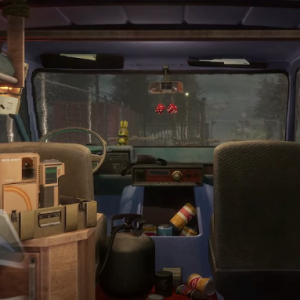
The FNAF Games category includes titles with distinct mechanical interpretations. Some games maintain stationary defense mechanics, while others introduce free movement or hybrid exploration systems. Spin-offs may integrate puzzle-solving, narrative sequences, or action-oriented elements. Fan-created projects often reinterpret core mechanics within new settings or genres. These variations demonstrate how foundational design principles can adapt without altering the core survival and tension framework.
Player Engagement And Replayability
Player engagement in FNAF Games is shaped by tension management, anticipation, and strategic response systems. Replayability frequently emerges through difficulty scaling, alternative modes, or randomized threat behavior. Progression systems vary, with some titles emphasizing narrative discovery and others focusing on survival performance. The classification functions as a franchise-defined category where observation mechanics, resource constraints, and threat-driven pacing collectively define long-term gameplay dynamics.
