

Driving Games
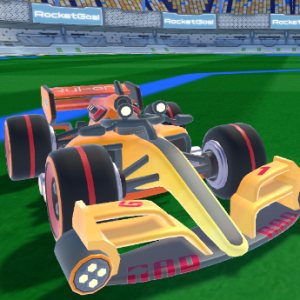


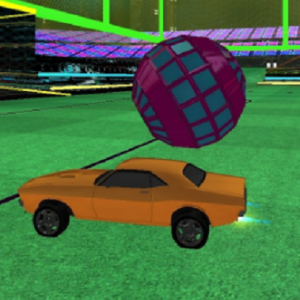

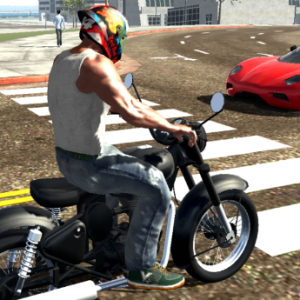
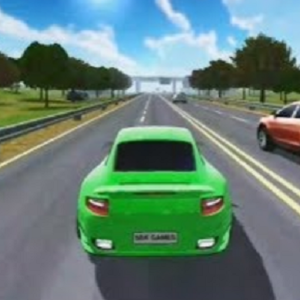
Driving Games represent a category of games built around vehicle control, navigation mechanics, and movement-based interaction systems. Titles within this classification focus on operating cars, trucks, motorcycles, or other transport units across structured or open environments. The genre spans multiple design styles, including simulations, arcade formats, racing systems, and exploration-based experiences. Driving Games are defined by vehicle-centered mechanics rather than narrative structure or competitive intensity. The classification appears across PC, consoles, mobile devices, and browser-based platforms.
Core Gameplay Structure And Mechanics
The gameplay framework of Driving Games typically revolves around acceleration, steering, braking, and environmental interaction. Vehicle physics systems often govern handling, speed, collision response, and surface dynamics. Depending on design objectives, mechanics may prioritize realism or simplified responsiveness. Some titles emphasize precision control and mechanical accuracy, while others adopt accessible input systems focused on pacing and fluid interaction. Player success is commonly determined by navigation efficiency, race outcomes, or task completion.
Driving Games frequently incorporate environmental variability. Terrain, road conditions, weather systems, and traffic behavior influence vehicle performance and decision-making. Designers use these variables to shape pacing, challenge scaling, and interaction complexity. Multiplayer systems are common, particularly in competitive or racing-focused formats.
Common Systems And Design Elements
Although Driving Games vary widely, several recurring gameplay systems frequently define the genre:
- Vehicle handling and physics models
- Navigation or track-based movement
- Collision and damage systems
- Camera and perspective controls
- Progression or upgrade mechanics
These elements collectively determine gameplay interaction patterns.
Subgenres And Structural Variations
Driving Games include multiple structural variations. Simulation titles emphasize realistic vehicle dynamics and technical accuracy. Arcade formats prioritize simplified controls and rapid pacing. Racing games focus on competition, lap timing, and performance tracking. Open-world driving experiences center on exploration and free navigation. Hybrid designs combine mechanics from several subcategories. These variations illustrate how vehicle-centered interaction can adapt across different gameplay frameworks.
Player Engagement And Progression Dynamics
Player engagement in Driving Games is shaped by control mastery, environmental adaptation, and mechanical consistency. Progression systems may include vehicle upgrades, unlockable content, ranking structures, or career modes. Replayability often emerges through track variation, competitive interaction, or performance optimization. The genre functions as a mechanics-driven classification where vehicle control systems, physics behavior, and navigation dynamics collectively define long-term gameplay experience and player involvement.
