

Basketball Games


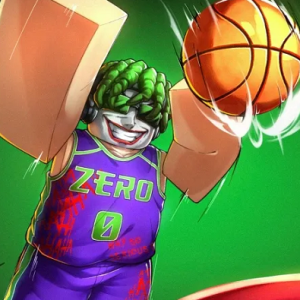

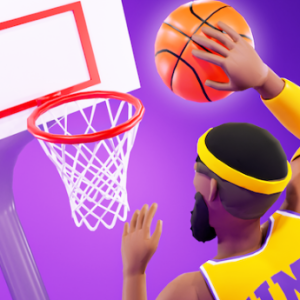




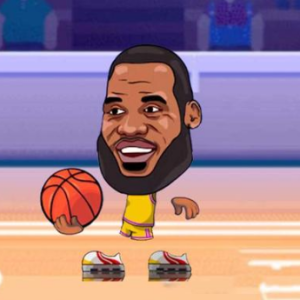





Basketball Games represent a category of sports-oriented games structured around mechanics derived from the rules and dynamics of basketball. Titles within this classification simulate real-world gameplay, arcade-style interpretations, or management-focused systems. The primary interaction framework typically involves player control, team coordination, and scoring mechanics. Basketball Games are available across multiple platforms, including consoles, PC, mobile devices, and browser environments. The defining characteristic is the integration of basketball-based systems rather than a single gameplay style.
Core Gameplay Mechanics And Systems
The gameplay structure of Basketball Games centers on movement, ball handling, and scoring interactions. Players control athletes or teams using mechanics that simulate passing, shooting, dribbling, and defensive actions. Physics systems often influence ball trajectory, collision behavior, and movement dynamics. Depending on design objectives, games may prioritize realistic simulation or simplified arcade responsiveness. Match outcomes are determined through scoring systems aligned with basketball rules.
Basketball Games frequently incorporate both single-player and multiplayer modes. Competitive multiplayer formats emphasize player-versus-player interaction, while single-player systems often rely on AI-controlled teams. Progression mechanics may include tournaments, leagues, or career-based structures.
Common Features Of Basketball Games
Although titles vary widely, several structural components frequently appear:
- Player or team control mechanics
- Shooting and scoring systems
- Defensive and positioning interactions
- Match or tournament structures
- Progression or customization systems
These features define genre interaction patterns.
Design Variations And Subgenres
Basketball Games include multiple structural interpretations. Simulation-based titles emphasize rule accuracy, player statistics, and realistic physics behavior. Arcade-style formats prioritize simplified controls and faster pacing. Management-oriented games focus on team strategy, roster decisions, and economic systems rather than direct control. Hybrid designs combine simulation, arcade, and management elements. These variations illustrate how basketball mechanics adapt across different gameplay frameworks.
Player Engagement And Replayability
Player engagement in Basketball Games is shaped by performance consistency, mechanical mastery, and strategic adaptation. Replayability emerges through match variability, competitive interaction, and progression systems. Multiplayer formats introduce dynamic player behavior, increasing unpredictability between sessions. Progression mechanics may involve rankings, unlockable content, or team development systems. Basketball Games function as a mechanics-driven category where movement systems, scoring frameworks, and player interaction dynamics collectively define long-term engagement and gameplay continuity.
