

Anime Games













- 1
- 2
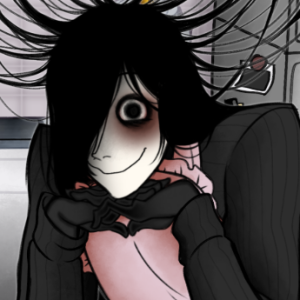
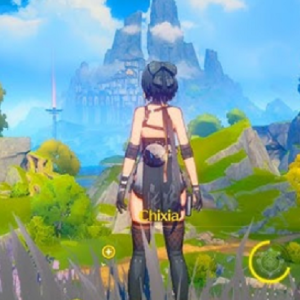
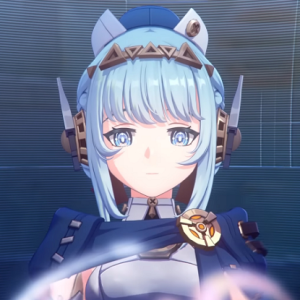
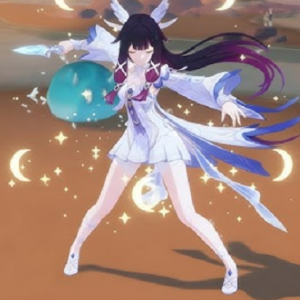
Anime Games represent a category of games influenced by visual styles, themes, and storytelling frameworks associated with Japanese animation. Titles within this classification may be based on existing anime series or designed using similar artistic and narrative principles. The defining characteristic is the adoption of anime-inspired presentation rather than specific gameplay mechanics. Anime Games span numerous genres, including action, roleplaying, fighting, simulation, and strategy formats. The category exists across multiple platforms, including consoles, PC, and mobile devices.
Visual Design And Artistic Framework
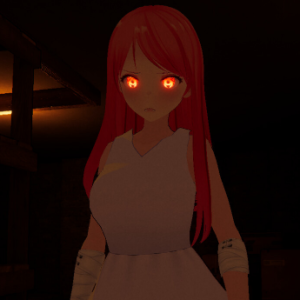
A central feature of Anime Games is their visual presentation. Character designs, animation techniques, and interface elements frequently reflect stylistic conventions derived from anime production. This includes exaggerated character expressions, stylized environments, and distinct color usage. Visual identity often plays a critical role in shaping player expectations and genre perception. While graphical fidelity varies between titles, the artistic direction typically prioritizes recognizable anime-inspired aesthetics.
Anime Games often incorporate cinematic sequences or dialogue-driven storytelling systems. These structures align with narrative techniques commonly observed in animated series. The visual framework influences not only character appearance but also motion systems and environmental design.
Common Gameplay Structures
Although Anime Games are defined by presentation style rather than mechanics, certain gameplay patterns frequently appear:
- Character-driven progression systems
- Ability or skill-based combat mechanics
- Narrative-focused interaction
- Team or squad-based structures
- Customization and upgrade systems
These elements reflect recurring design tendencies rather than strict genre requirements.
Genre Diversity And Mechanical Variations
Anime Games span multiple gameplay genres. Action-oriented titles emphasize combat and movement systems. Roleplaying formats focus on character development and progression mechanics. Fighting games prioritize reflex-based interactions and competitive balance. Simulation titles explore lifestyle or management systems. Strategy games integrate tactical planning and resource allocation. Hybrid designs combine mechanics from multiple genres while maintaining anime-inspired presentation.
Player Engagement And Market Presence
Player engagement in Anime Games is shaped by both mechanical structure and visual identity. Fans of specific franchises often engage with titles derived from established series, while original projects attract players interested in anime-style design. Replayability varies depending on progression systems, multiplayer features, and narrative branching. The category maintains a significant presence in global markets due to cross-media influence and platform accessibility. Anime Games function as a presentation-driven classification where artistic style, character systems, and gameplay mechanics collectively define the player experience.
