

Similiar games




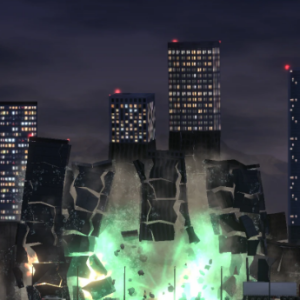
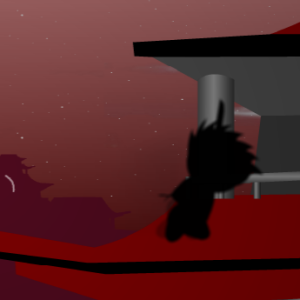

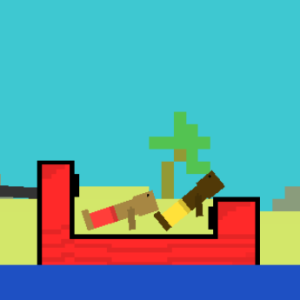

Ben And Ed is a platform game that places the player in control of a zombie navigating structured obstacle courses. The game is presented from a third-person perspective and focuses on completing levels filled with mechanical traps and hazards. The main objective is to reach the finish point of each stage while surviving environmental challenges. Movement, timing, and understanding of obstacle patterns are essential for progression.
Movement Mechanics And Interaction
The core gameplay revolves around movement through complex environments. Players guide the character by running, jumping, and adjusting direction to avoid hazards. Controls are responsive, but precision is required to pass through tight sections and moving obstacles.
A distinctive feature is the character’s ability to continue after sustaining damage. Losing limbs affects mobility, forcing the player to adapt movement strategies. This mechanic introduces variation in how levels are approached and requires adjustments during each attempt.
Level Structure And Obstacles
Each level is designed as a sequence of challenges that must be completed in order. Obstacles include rotating blades, collapsing platforms, and timed traps that require accurate movement. The layout of each stage is built to test reaction time and consistency.
Key gameplay elements include:
- moving through structured obstacle courses
- timing jumps and directional changes
- adapting to reduced mobility after damage
- avoiding environmental hazards
- progressing through checkpoints and level goals
These elements define the main gameplay loop.
Failure And Learning Process
Failure is integrated into the design of Ben And Ed. Players are expected to repeat sections multiple times to understand obstacle timing and improve execution. Checkpoints are placed throughout levels to reduce repetition of earlier sections.
Each attempt provides information about trap behavior and movement requirements. Over time, players refine their approach and reduce errors. The process of trial and repetition is central to progression.
Progression And Replay Value
The game progresses through increasingly complex levels that introduce new combinations of hazards. Later stages require faster reactions and more precise control, building on skills developed earlier.
Replay value comes from optimizing performance. Players can revisit completed levels to improve completion time or reduce mistakes. Variations in movement and physics interactions can lead to different outcomes in repeated attempts.
